
Sports Injury Prevention and Recovery: Expert Guide for Athletes
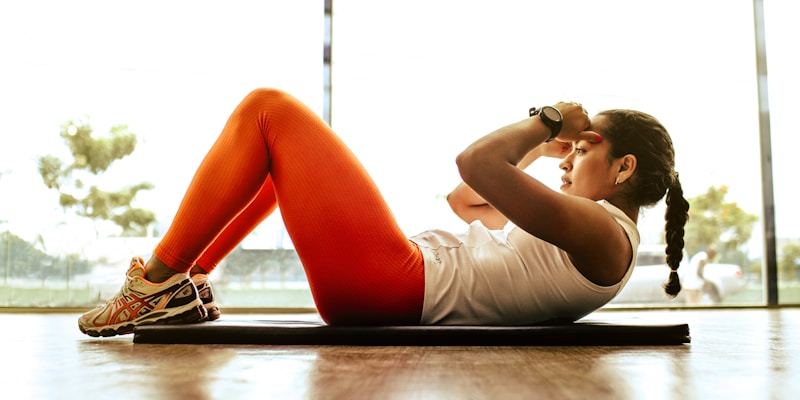
Sports injuries affect athletes of all levels, from weekend warriors to professional competitors. At Aches Away Toronto, we've helped countless athletes recover from injuries and optimize their performance through evidence-based manual therapy.
This comprehensive guide covers the most effective strategies for preventing sports injuries and accelerating recovery when injuries do occur, featuring expert insights from our registered healthcare practitioners.
Most Common Sports Injuries
Statistics Alert
Over 8.6 million sports injuries occur annually in North America, with 95% being preventable through proper preparation, technique, and recovery protocols.
Acute Injuries
- • Muscle strains and tears
- • Ligament sprains (ankle, knee, wrist)
- • Shoulder dislocations
- • Concussions and head injuries
- • Fractures and stress fractures
- • Bruises and contusions
Overuse Injuries
- • Runner's knee (patellofemoral syndrome)
- • Tennis elbow and golfer's elbow
- • Shin splints
- • Plantar fasciitis
- • Rotator cuff impingement
- • IT band syndrome
Evidence-Based Injury Prevention
The Prevention Pyramid
Proper Warm-Up & Cool-Down
Dynamic warm-up for 10-15 minutes increases muscle temperature and flexibility by up to 20%
Strength & Conditioning
Progressive resistance training reduces injury risk by 68% when done consistently
Technique Refinement
Proper biomechanics and movement patterns prevent 85% of overuse injuries
Recovery & Rest
Adequate sleep and rest days reduce injury risk by up to 60%
Accelerated Recovery Through Manual Therapy
Sports Massage Therapy
Sports massage therapy is the gold standard for athletic recovery and injury prevention. Our specialized techniques target the unique needs of athletes.
Sports Massage Benefits:
Sports Manual Osteopathy
Osteopathic manual therapy for athletes addresses the root causes of injury through whole-body assessment and treatment.
Osteopathic Sports Medicine:
Optimal Recovery Strategies
Immediate Recovery (0-48 hours)
- • Apply RICE protocol (Rest, Ice, Compression, Elevation)
- • Gentle movement within pain-free range
- • Adequate hydration and nutrition
- • Professional assessment if needed
- • Avoid heat and alcohol initially
Long-term Recovery (48+ hours)
- • Progressive exercise and rehabilitation
- • Regular manual therapy sessions
- • Gradual return to sport protocols
- • Address biomechanical issues
- • Ongoing injury prevention strategies
When to Seek Professional Help
Don't let minor injuries become major problems. Seek treatment if you experience:
- • Pain that doesn't improve within 48-72 hours
- • Significant swelling or inability to bear weight
- • Numbness, tingling, or loss of sensation
- • Recurring injuries in the same area
- • Decreased performance or range of motion
Ready to Experience Professional Care?
Our licensed practitioners are here to help you achieve your health goals. Book your appointment today.
Related Articles
Understanding Chronic Pain: A Comprehensive Guide to Natural Relief
Chronic pain affects millions of people worldwide. Learn about evidence-based approaches to managing pain naturally.
TMJ Disorders: Symptoms, Causes, and Treatment Options
Learn about temporomandibular joint disorders and how manual therapy can provide effective relief.
Back Pain Relief Through Sports Massage
Discover how specialized massage techniques can address athletic back pain and prevent future injuries.